 Quantum Trade Wave
 Quantum Trade Wave


Discussions in financial learning often encourage participants to explore how market signals guide decision making. Different traders, institutions, and participants may interpret identical data in varied ways. Observing these differences introduces learners to the concept that financial behaviour emerges from the interactions of many individuals within structured market systems.
Beginners often start by examining the mechanics of trading systems. Conversations may highlight how assets are exchanged, the roles of different participants, and the evolution of market activity over time. Comparing these frameworks and participation approaches allows learners to understand how structured systems operate through collective interactions and shared decision making.

Careful interpretation is central to financial learning. Discussions frequently examine patterns of participation, market design, and data interpretation before forming conclusions. Adopting this analytical mindset helps learners see how multiple factors work together to shape market behaviour, emphasising the interplay between individual actions and system structures.
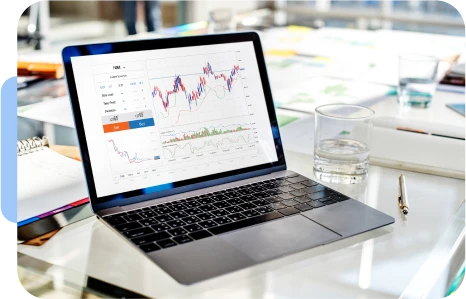
Learning environments often prioritise dialogue to explore financial topics from different angles. Participants may evaluate diverse market interpretations, track trading behaviours, and observe the influence of institutions and individuals on market trends. Engaging in these conversations offers multiple perspectives, helping learners interpret market behaviour within wider economic contexts.

Advanced discussions encourage careful assessment of financial information.
Participants may analyse reports, compare market patterns, and study asset behaviour across economic cycles.
Evaluating these relationships allows learners to situate financial systems within broader frameworks, fostering well rounded perspectives and deeper understanding of complex market interactions.